
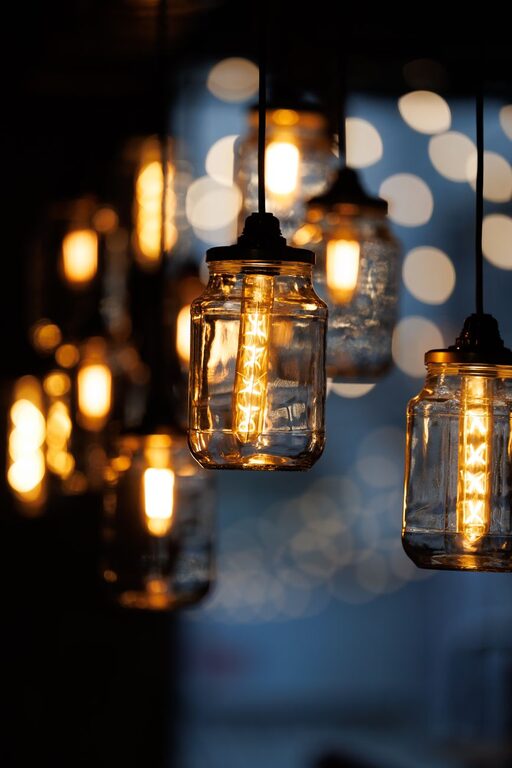
Creating a comfortable living space goes beyond furniture and paint colors — lighting plays a crucial role in setting the mood and making your home feel inviting. The right lighting helps you relax, work efficiently, and showcase your interior style. However, with so many options available, choosing comfortable home lighting can be overwhelming. This guide will help you make informed decisions to brighten your home comfortably and effectively.
Understanding the Importance of Comfortable Lighting
Lighting affects how you see your surroundings and how your body reacts. Too harsh or dim lighting can cause eyestrain, headaches, and disrupt your daily activities. Comfortable lighting balances brightness and color temperature to suit each room’s purpose and your personal preferences.
What Makes Lighting Comfortable?
– Brightness: Adequate illumination without glare or shadows.
– Color Temperature: Warm or cool tones depending on the room’s function.
– Distribution: Even spread of light without dark spots.
– Adjustability: Options to change brightness and direction as needed.
Types of Lighting to Consider
When planning your home’s lighting, think about layering three main types:
1. Ambient Lighting
This is the general illumination that fills the room. It provides overall brightness and sets the base level of light.
– Examples: Ceiling-mounted fixtures, recessed lights, chandeliers.
– Tip: Use dimmers on ambient lights to adjust brightness for different times of day.
2. Task Lighting
Focused light for specific activities like reading, cooking, or working.
– Examples: Desk lamps, under-cabinet kitchen lights, vanity lights.
– Tip: Place task lighting close to where it’s needed to minimize shadows.
3. Accent Lighting
Highlights architectural features, artwork, or plants to add depth and interest.
– Examples: Wall sconces, track lighting, LED strips.
– Tip: Use accent lighting sparingly to avoid cluttering the space.
Choosing the Right Bulbs
Your choice of bulbs impacts brightness, energy use, and color warmth.
LED Bulbs
These are energy-efficient, long-lasting, and available in various color temperatures. LEDs produce little heat and are available in dimmable options.
Incandescent Bulbs
Provide warm light but use more energy and have a shorter lifespan. They are less common now but can still be used for decorative purposes.
CFL Bulbs
More efficient than incandescent but contain small amounts of mercury, so disposal requires care. CFLs take time to reach full brightness.
Color Temperature Guide
Measured in Kelvins (K), color temperature affects the mood of a room.
– 2700K – 3000K: Warm white – cozy and inviting, great for living rooms and bedrooms.
– 3500K – 4100K: Neutral white – balanced, suitable for kitchens and bathrooms.
– 5000K – 6500K: Daylight – bright and energizing, ideal for workspaces or garages.
Tips for Different Rooms
Living Room
Aim for warm, adjustable lighting that creates a relaxing atmosphere. Combine ambient lighting with floor lamps or table lamps for reading corners.
Kitchen
Bright, neutral white light is best here to ensure safety and precision while cooking. Task lights under cabinets improve visibility on countertops.
Bedroom
Use warm, dimmable lighting to foster comfort and help with winding down. Consider bedside lamps with adjustable brightness.
Bathroom
Bright, even lighting around mirrors is essential. Use neutral white bulbs to reflect true colors for grooming.
Home Office
Bright, daylight bulbs help reduce fatigue and improve concentration. Position task lights to avoid glare on computer screens.
Practical Tips for Comfortable Lighting
– Use Dimmers: They allow you to customize light levels for different times or activities.
– Avoid Direct Glare: Choose fixtures with shades or diffusers to soften light.
– Match Fixture Styles: Select lighting that complements your décor style for a cohesive look.
– Consider Natural Light: Maximize daylight by arranging furniture and using window treatments that let in light while reducing glare.
– Test Before Committing: Purchase bulbs with return policies or try smart bulbs that let you adjust color and brightness.
Smart Lighting Solutions
Smart bulbs and integrated systems offer convenience and flexibility. You can control brightness, color temperature, and schedules via smartphone apps or voice commands. This adaptability enhances comfort and can contribute to energy savings.
Conclusion
Choosing comfortable home lighting involves understanding your needs, the characteristics of different bulbs, and how to layer lighting effectively. By considering brightness, color temperature, fixture placement, and adjustability, you can create a warm, inviting, and functional environment throughout your home. Remember, comfortable lighting not only improves how your space looks but also supports your well-being and daily activities. Take your time to explore options and enjoy the process of illuminating your home just the way you like it.