Bringing home your child’s latest masterpiece can be a joy, but it often leads to piles of paper, paint-splattered creations, and craft projects that can quickly overwhelm your space. Keeping kids’ art organized is a common challenge for many parents and caregivers, but with some thoughtful strategies, you can preserve these precious memories while maintaining an orderly home.
In this post, we’ll explore practical and creative tips for organizing your children’s artwork so you can celebrate their creativity without the clutter.
Why Organizing Kids’ Art Matters
Before diving into the tips, it’s helpful to understand why organizing artwork is important. Kids’ art holds sentimental value and tracks their growth and imagination over time. Organizing this art:
– Prevents clutter and mess
– Makes it easier to find specific pieces later
– Protects fragile projects from damage
– Encourages your child to take pride in their work
– Allows for creative displays that brighten your home
Now, let’s look at simple ways to keep your child’s artwork organized.
1. Create a Dedicated Art Space
Having a specific spot where art supplies and finished pieces live makes a big difference.
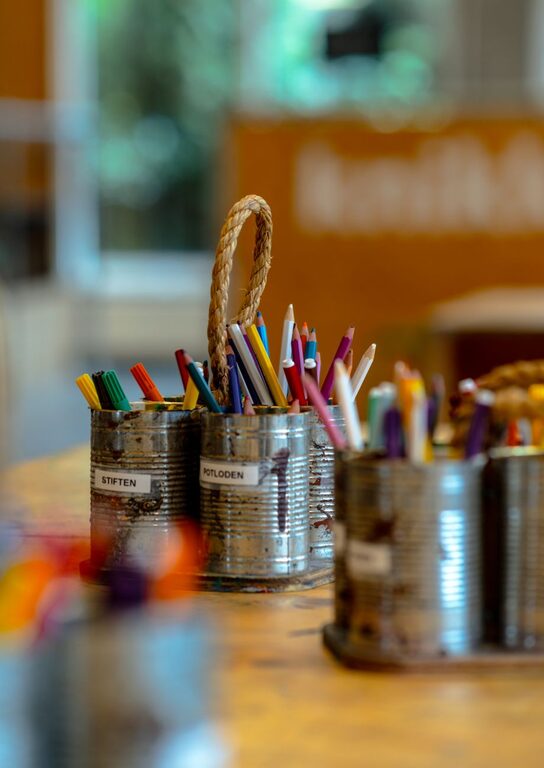
– Set up a shelf, cubby, or a drawer labeled “Art Projects”
– Use clear bins or folders to sort materials and completed work
– Keep supplies like markers, crayons, glue, and scissors within easy reach
This approach encourages kids to put their materials away and helps you contain the mess.
2. Use Art Portfolios or Binders
Portfolios or binders are great for organizing flat artwork like drawings and paintings.
– Choose large, sturdy folders or expandable portfolios with plastic sleeves
– Sort artwork by date, theme, or child if you have multiple artists
– Encourage your child to select their favorite pieces to include regularly
– Store the portfolio in an accessible place for easy viewing
This method keeps artwork neat, protected, and easy to flip through.
3. Digitize Your Child’s Creations
Going digital is an excellent way to save space while preserving memories.
– Photograph or scan drawings, crafts, and 3D projects
– Use apps or cloud storage services to organize images by date or project
– Create digital photo books or slideshows as keepsakes
– Share digital collections with family and friends easily
Digitizing also allows you to recycle some physical pieces while keeping the memory alive.
4. Display Art Creatively
Showing off your child’s artwork celebrates their creativity and adds charm to your home.
– Use a rotating gallery with clips, frames, or a string with clothespins
– Dedicate a corkboard or magnetic board for current art
– Create themed displays for holidays or seasons
– Swap out older pieces as new ones arrive to keep things fresh
Displaying art gives kids a sense of pride and encourages continued creativity.
5. Establish a Routine for Sorting and Keeping
Regularly sorting through the art collection prevents overwhelming buildups.
– Schedule a monthly or bi-monthly review with your child
– Decide together what to keep, store, gift, or recycle
– Label storage containers clearly to maintain order
– Consider involving children in the decision process to teach organizational skills
This routine helps maintain control and respects your child’s attachments.
6. Store 3D Art and Projects Thoughtfully
Three-dimensional projects like sculptures or dioramas need special care.
– Use sturdy bins or boxes labeled by year or child’s name
– For fragile items, wrap in tissue paper or bubble wrap
– Take photos of large or bulky projects before recycling if you can’t keep them
– Rotate displays to avoid overcrowding
Having a plan for these items keeps your space manageable without losing those unique creations.
7. Repurpose Art into Gifts or Keepsakes
Transforming artwork into useful or decorative items can give new life to your child’s creations.
– Create greeting cards or gift tags from drawings
– Make calendars, mugs, or t-shirts with scanned art designs
– Preserve handprints or painted prints in keepsake books
– Use collages to showcase multiple pieces in one frame
Repurposing art adds meaning and spreads joy beyond the home.
Final Thoughts
Keeping kids’ art organized doesn’t have to be overwhelming. With designated spaces, simple storage tools, regular sorting, and creative displays, you can cherish your child’s artistic journey and maintain a tidy, inspiring environment. Remember, the goal is to honor their creativity in a way that works for your family and space.
By adopting some of these tips, you’ll find a balance between preserving priceless memories and enjoying a clutter-free home. Happy organizing!