
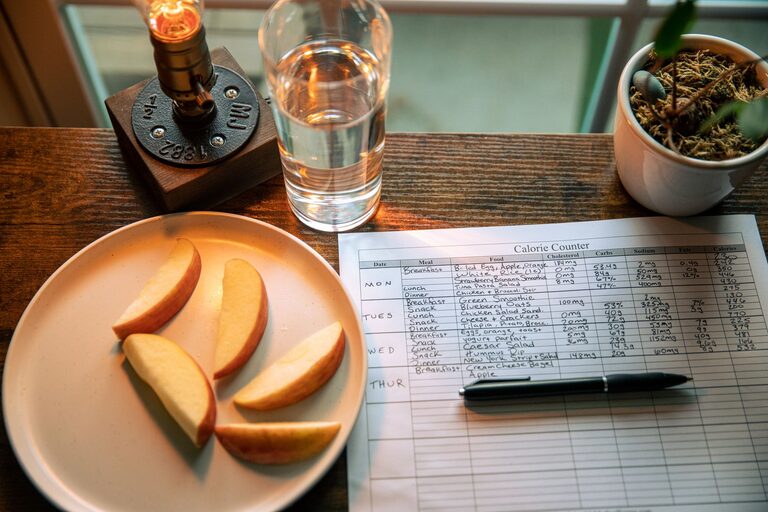
Planning balanced meals is a cornerstone of healthy living, but it can sometimes feel overwhelming. Busy schedules, picky eaters, and endless recipe options can make meal planning seem stressful. The good news is that building nutritious, satisfying meals doesn’t have to be complicated or time-consuming. With a few easy strategies, you can create balanced meals that suit your lifestyle and keep hunger at bay — without the hassle.
What Does a Balanced Meal Look Like?
Before diving into meal planning, it helps to understand what a balanced meal really means. A balanced meal generally includes:
– Protein: Supports muscle repair and keeps you full. Examples: chicken, fish, beans, lentils, tofu, eggs.
– Carbohydrates: Provide energy. Choose whole grains and fiber-rich options like brown rice, quinoa, or whole wheat bread.
– Healthy Fats: Essential for brain health and absorption of vitamins. Sources include avocados, nuts, seeds, and olive oil.
– Vegetables and Fruits: Packed with vitamins, minerals, and fiber. Aim to fill half your plate with colorful veggies and some fruit.
– Hydration: Don’t forget to include water or other healthy drinks alongside your meals.
By combining these components in each meal, you can ensure that your body gets the nutrients it needs.
Step 1: Simplify Your Meal Planning Process
Meal planning doesn’t need to be complicated. Follow these steps to make it manageable:
Create a Weekly Meal Framework
Start by outlining the types of meals you want each day, such as:
– Protein (e.g., grilled chicken, chickpeas)
– Vegetables (e.g., roasted broccoli, salad)
– Carbohydrates (e.g., quinoa, whole grain pasta)
You might decide Monday is “stir-fry night,” Tuesday is “pasta night,” and so on. This routine reduces decision fatigue.
Use a Meal Planning Tool or App
Many free tools and apps let you organize meals, create grocery lists, and track what you have at home. This helps avoid last-minute trips and food waste.
Batch Cook or Prep Ingredients
Cooking some ingredients in advance—like grains or roasted veggies—can make mealtime faster and less stressful.
Step 2: Choose Versatile Ingredients
Opt for ingredients that can be used in multiple meals throughout the week. For example:
– Chicken breast: Can be grilled, shredded for salads, or added to soups.
– Quinoa or brown rice: Works well as a base for bowls or side dishes.
– Frozen vegetables: Convenient and nutritious, easy to add to any meal.
– Canned beans: Great for quick protein boosts in salads or stews.
This approach saves time and money, and it expands your meal options.
Step 3: Practice Portion Control and Flexibility
Balanced meals don’t have to be perfectly portioned every time. Focus on including all food groups and listening to your hunger cues. If you’re extra hungry one day, it’s okay to have a larger serving. If you’re not as hungry, a smaller portion works too.
Also, allow room for flexibility. If one night you crave something different, adjust your plan. The goal is to reduce stress, not add to it.
Step 4: Get the Family Involved
If you’re cooking for others, especially children, involve them in meal planning. Ask about their favorite healthy foods and try new recipes together. This encourages a positive relationship with food and takes some pressure off you.
Step 5: Keep It Simple, Delicious, and Satisfying
A balanced meal doesn’t have to be fancy or time-intensive. Here are some easy meal ideas to inspire you:
Breakfast
– Greek yogurt with fresh berries, a drizzle of honey, and a sprinkle of nuts
– Whole grain toast topped with avocado and a poached egg
– Oatmeal with sliced bananas and a spoonful of peanut butter
Lunch
– Quinoa salad with chickpeas, cucumbers, tomatoes, and a lemon-tahini dressing
– Turkey and vegetable wrap with hummus
– Lentil soup with a side of whole-grain bread
Dinner
– Grilled salmon with steamed broccoli and brown rice
– Stir-fried tofu with mixed vegetables and soba noodles
– Baked chicken thighs with roasted sweet potatoes and green beans
Step 6: Plan for Snacks and Hydration
Balanced eating includes healthy snacks to keep energy steady between meals. Choose options like:
– Fresh fruit or cut veggies with hummus
– Nuts and seeds
– Whole grain crackers with cheese
Don’t forget to drink plenty of water throughout the day. Herbal teas or infused water can add variety.
Troubleshooting Common Meal Planning Challenges
– Lack of time: Prep ingredients in bulk on weekends or use a slow cooker.
– Boredom with meals: Change up spices and sauces to keep flavors interesting.
– Budget constraints: Focus on seasonal produce, sales, and affordable proteins like beans and eggs.
Final Thoughts
Planning balanced meals without stress is completely achievable with a bit of organization and flexibility. By understanding what a balanced meal entails, simplifying your planning process, and keeping meals enjoyable and adaptable, you can nourish your body while fitting into your busy lifestyle. Remember, the goal is progress, not perfection—small steps can lead to big benefits over time. Happy meal planning!