
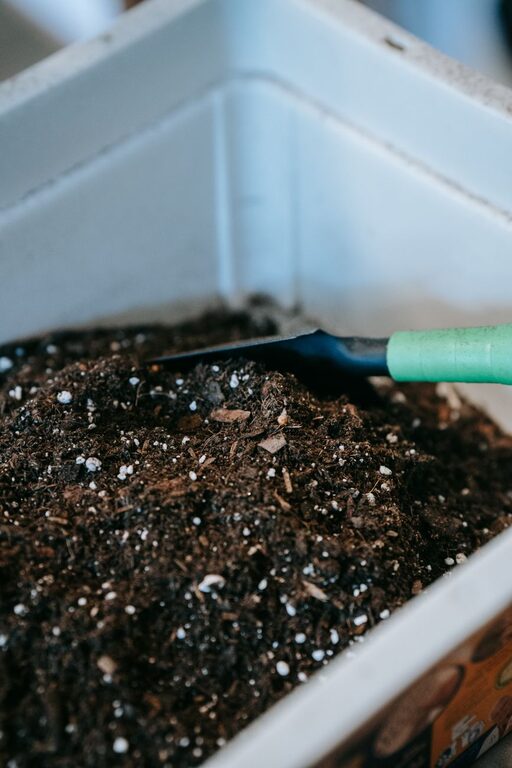
Composting is a fantastic way to reduce household waste while enriching your garden with nutrient-rich soil. If you are new to composting, it might seem a bit overwhelming at first, but with a few basic tips, you can start turning your kitchen scraps and yard waste into valuable compost right at home. This guide will walk you through the essential steps and provide practical advice to help you get started.
What Is Composting?
Composting is the natural process of recycling organic matter, such as food scraps and yard waste, into a dark, rich soil amendment called compost. This compost can improve soil health, increase water retention, and provide nutrients for plants.
Why Compost at Home?
– Reduce Waste: Divert food scraps and yard waste from landfills.
– Save Money: Cut down on buying commercial fertilizers.
– Improve Your Garden: Compost enhances soil fertility and structure.
– Help the Environment: Reduce greenhouse gas emissions from organic waste.
Getting Started: Choose Your Composting Method
There are several methods to compost at home. Choose one based on your space, time, and preferences.
Outdoor Composting Bin
– Ideal for those with a backyard.
– Can be a purchased bin or DIY using wood pallets or wire mesh.
– Needs space and some maintenance.
Indoor Composting Systems
– Suitable for small spaces or apartments.
– Options include worm bins (vermicomposting) or bokashi systems.
– Requires regular attention but controls odors better.
Simple Compost Pile
– Just gather your organic waste in a pile.
– Less control but easy to start.
– Works well if you have lots of yard waste.
What Can You Compost?
Composting works best when you balance two types of materials:
Greens (Nitrogen-rich)
– Fruit and vegetable scraps
– Coffee grounds and tea bags
– Fresh grass clippings
– Plant trimmings
Browns (Carbon-rich)
– Dry leaves
– Straw or hay
– Shredded paper or cardboard (non-glossy)
– Wood chips or sawdust
Avoid composting:
– Meat, dairy, and oily foods (can attract pests)
– Diseased plants
– Pet waste
– Treated wood or synthetic materials
Step-by-Step Beginner Composting Tips
1. Start Small
Begin with a manageable size to avoid being overwhelmed. A 3-foot by 3-foot pile or a medium-sized bin is perfect.
2. Maintain a Good Balance
Aim for about 2-3 parts browns to 1 part greens. This balance helps your compost break down efficiently and prevents bad odors.
3. Chop and Shred
Cut or shred larger pieces of materials to speed up decomposition.
4. Keep It Moist
Your compost pile should be about as damp as a wrung-out sponge. Too dry slows the process; too wet causes odor and sogginess.
5. Turn Your Pile Regularly
Mix your compost every 1-2 weeks to add oxygen, which is essential for the microbes breaking down the materials.
6. Be Patient
Composting can take a few months to over a year depending on conditions. Finished compost looks dark, crumbly, and smells earthy.
Troubleshooting Common Issues
| Problem | Cause | Solution |
|———————|———————————–|——————————————-|
| Bad odors | Too much green material or wetness | Add browns, turn pile, reduce moisture |
| Slow decomposition | Pile too dry or too cold | Add water, turn pile, add greens |
| Pests or rodents | Food scraps exposed | Bury scraps, use closed bin, avoid meat |
| Compost too wet | Excess moisture | Add dry browns, turn more often |
Tips for Success
– Use a kitchen scrap bin to collect compostables daily.
– Avoid adding weeds that have gone to seed.
– Use finished compost as mulch, soil amendment, or in potting soil.
– If using worms (vermicomposting), feed them fruit and vegetable scraps, avoid citrus and spicy foods.
Final Thoughts
Composting at home is a rewarding way to reduce your environmental impact and feed your garden naturally. By starting small, keeping a good balance of materials, and maintaining your compost pile, you’ll be on your way to producing rich compost that supports healthy plants and a sustainable lifestyle. Happy composting!