
Reducing food waste at home is an achievable goal that benefits your wallet and the environment. Around one-third of all food produced globally is wasted, and a significant portion of that happens in our own kitchens. By adopting a few mindful habits, you can make a big impact without much extra effort. This guide offers practical tips and strategies to help you cut down on food waste and enjoy a more sustainable lifestyle.
Understanding Food Waste at Home
Food waste occurs when edible food is discarded or left uneaten. At home, it often happens because of overbuying, improper storage, or misunderstanding expiration dates. Common culprits include forgotten leftovers, spoiled produce, and excess meals.
Reducing this waste means making the most of the food you buy, which lowers grocery bills and reduces environmental strain from food production and disposal.
Plan Your Meals Ahead
One of the best ways to prevent food waste is through meal planning.
– Make a shopping list: Before heading to the store, plan your meals for the week and note the ingredients you need.
– Check your pantry and fridge: Use existing items first to avoid buying duplicates.
– Buy only what you need: Resist impulse buys by sticking to your list.
Meal planning helps you purchase the right quantities and prevents food from spoiling unused.
Practice Smart Grocery Shopping
How you shop can affect how much food goes to waste.
– Shop more frequently in smaller amounts: Instead of bulk buying perishable items, consider buying fresh produce in smaller quantities more often.
– Choose imperfect produce: Many fruits and vegetables with minor blemishes are just as good and likely to be discarded by others.
– Avoid shopping when hungry: Shopping on an empty stomach can lead to unnecessary purchases.
Store Food Properly
Proper storage extends the life of your food.
– Use airtight containers: Transfer leftovers and opened packages to sealed containers to keep them fresh longer.
– Keep produce fresh: Some fruits and vegetables do better in the fridge, while others last longer at room temperature. For example, tomatoes and bananas are best stored outside the fridge.
– Organize your fridge: Place older items at the front so you remember to use them first.
– Use wrappers and bags smartly: Plastic wrap and reusable bags can maintain moisture levels and prevent spoilage.
Understand Expiration Dates
Confusion about expiration dates leads many people to throw away food prematurely.
– “Best before” vs. “Use by”: “Best before” indicates quality, not safety, so food might still be good after that date. “Use by” is about safety and should be taken seriously.
– Trust your senses: Look, smell, and taste when in doubt. Spoiled food usually has off smells, appearances, or textures.
– When in doubt, compost: If food isn’t safe to eat, composting is a better alternative than trashing it.
Use Leftovers Creatively
Leftovers can be delicious when repurposed.
– Incorporate into meals: Add leftover vegetables to soups, stews, or stir-fries.
– Make new dishes: Use stale bread for croutons or breadcrumbs, and overripe fruits for smoothies or baking.
– Portion wisely: Serve smaller portions so less food is left on plates.
Preserve Food for Later Use
Preservation extends the life of many foods.
– Freeze extras: Freeze portions of soups, cooked grains, fruits, or vegetables.
– Pickle or ferment: Some vegetables can be pickled or fermented to avoid spoilage.
– Dry herbs and fruits: Drying can preserve things like herbs, lemons, or apples for long-term use.
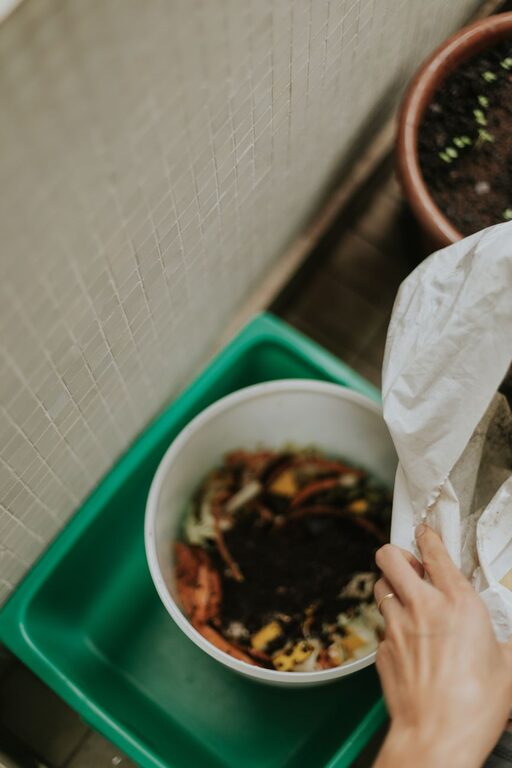
Compost Food Scraps
Even with the best efforts, some food scraps are inevitable.
– Start a compost bin: Composting turns food scraps into nutrient-rich soil for your garden.
– Know what can be composted: Vegetable peelings, coffee grounds, eggshells, and fruit scraps are usually compostable.
– Avoid composting meat and dairy: These can attract pests and create odors.
Educate Your Household
Reducing food waste is easier when everyone at home is on board.
– Communicate plans: Share meal plans and grocery lists with family members.
– Teach mindful eating: Encourage proper portion sizes and the importance of finishing food.
– Get creative together: Involve everyone in cooking and using leftovers.
Additional Tips to Reduce Waste
– Keep a “first in, first out” system where you use older food before newer ones.
– Use smaller plates to reduce over-serving.
– Donate unopened food you won’t use to local food banks if possible.
– Regularly clean your fridge and pantry to keep track of what you have.
Conclusion
By adopting these strategies, reducing food waste at home becomes a manageable and rewarding practice. From careful planning and smart shopping to creative use of leftovers and proper storage, every small step contributes to less waste and a healthier planet. Start today with one or two changes, and build a sustainable kitchen routine that benefits everyone.